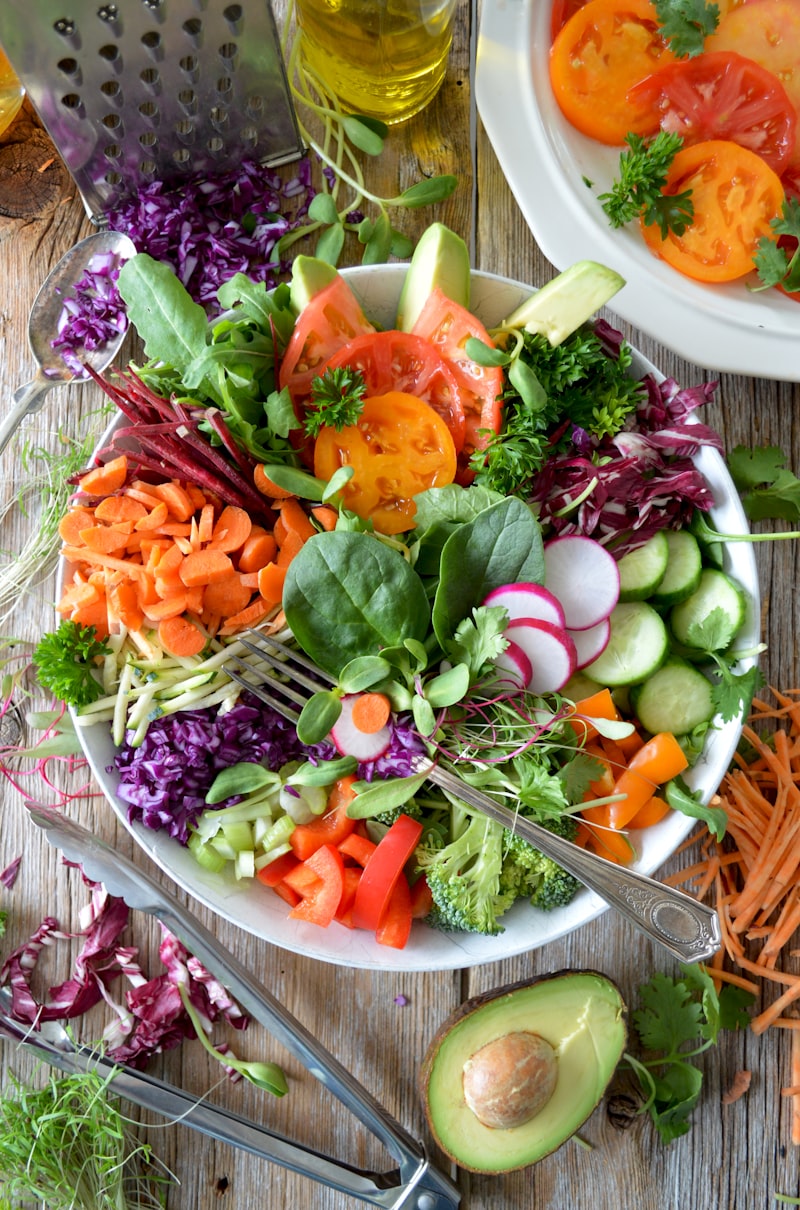
Collection · 8 meals
Breakfast Lunch Dinner Snacks
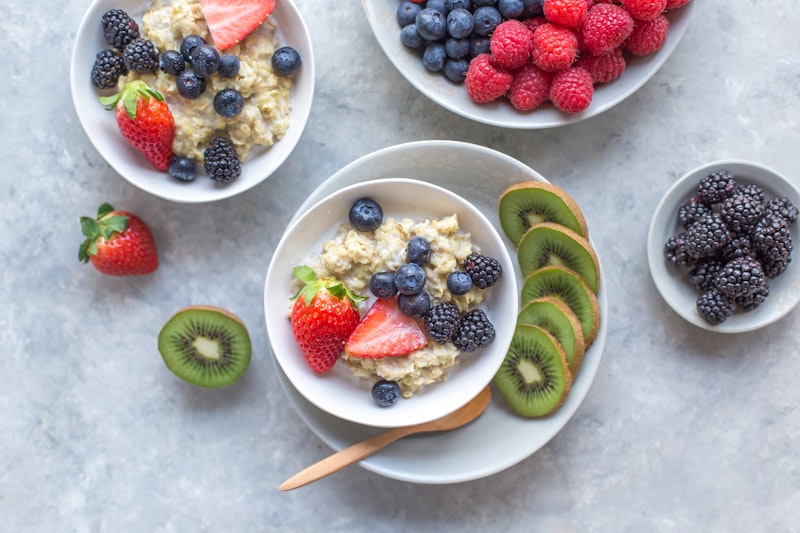
Porridge with blueberries and flaxseed
Breakfast · Low GI

Porridge, blueberries & flaxseed

A warm breakfast with oats, blueberries and flaxseed. A combination that adds fibre and helps breakfast last, especially when portion size is right.

Fibre Low GI Wholegrain
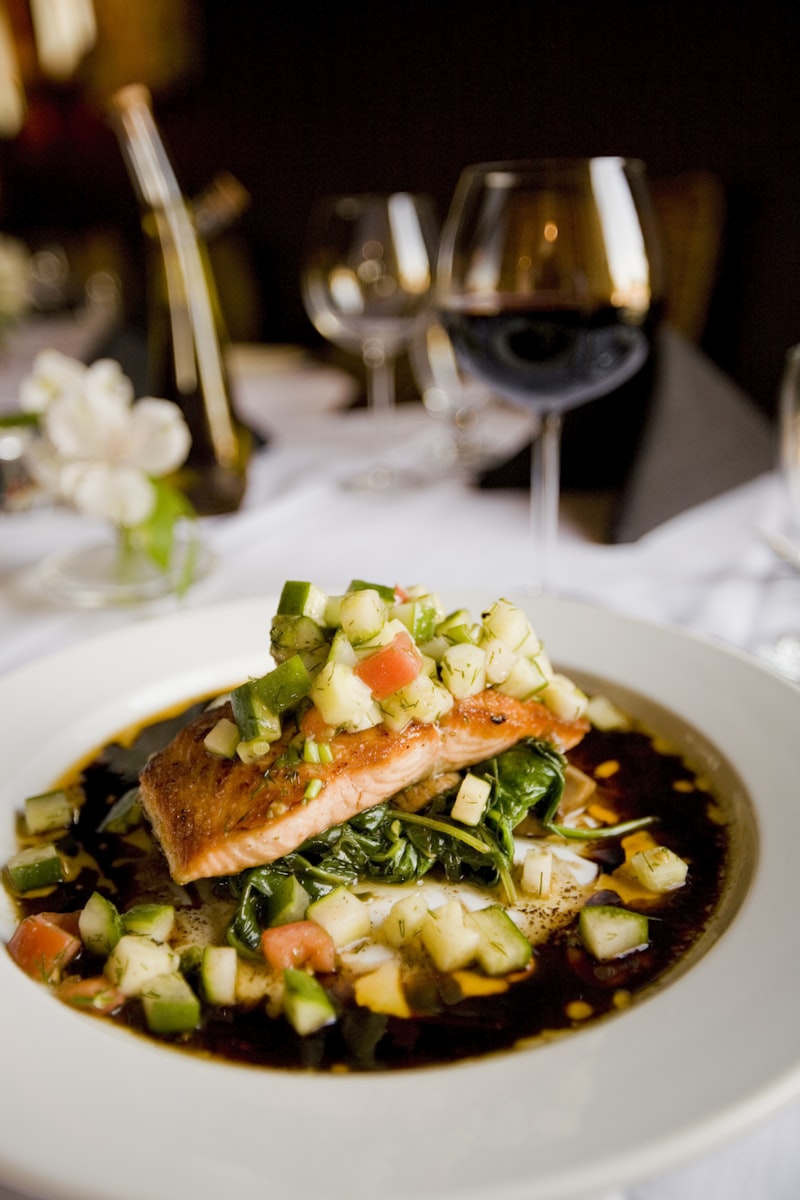
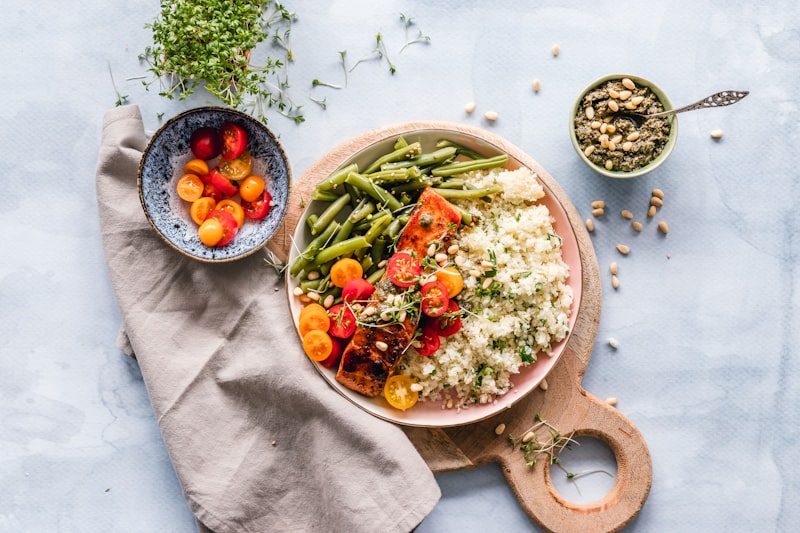
Baked salmon with roasted vegetables
Lunch · Low GI

Baked salmon & roasted vegetables

Protein (salmon) plus plenty of vegetables and olive oil. A plate structure that balances the meal, especially when carbohydrates are measured and paired with fibre and fats.

Fish Roasted veg Olive oil
Colourful quinoa bowl with chicken
Lunch · Balance

Quinoa bowl, chicken & fresh vegetables

Quinoa in a controlled portion, chicken, salad, avocado and sesame. A bowl that pairs carbohydrate with protein, fibre and healthy fats.

Protein Vegetables Bowl
Gentle vegetable soup in a bowl
Lunch · Simple

Gentle vegetable soup & crispbread

A mild vegetable soup. Ideal when you want something light, with emphasis on vegetables, fibre and a clear portion.

Gentle Home-style Bread
Curry with pulses and basmati rice
Dinner · Low GI

Pulse curry & basmati rice

Pulses plus vegetables and a small, measured portion of rice. A dish built on plant fibre that helps keep dinner calmer.

Plant-forward Pulses Family-friendly
Spinach and banana smoothie bowl
Breakfast · Low GI

Spinach & banana smoothie bowl

A smoothie bowl with spinach and fruit, with toppings that add fibre and crunch. For a steadier result, fruit and granola portions stay controlled.

Plant-forward Cool Fruit
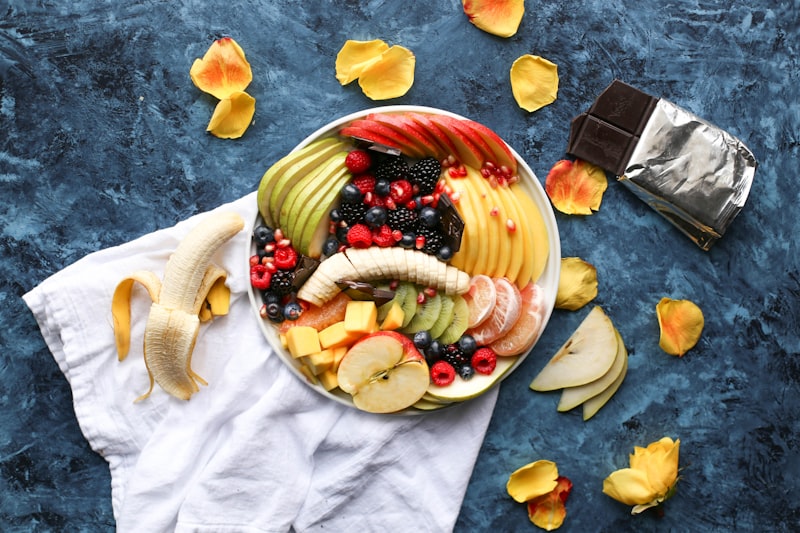
Almonds, berries and yoghurt in a bowl
Snack · Low GI

Almonds, fruit & yoghurt

A combination that pairs fruit with protein and fats. A practical snack when you need something small, in moderation.

Snack Nuts Fruit
Roasted fennel with quinoa and pesto
Dinner · British Harvest

Roasted fennel, quinoa & basil pesto

Oven-roasted fennel, lemon quinoa and basil pesto oil, with walnuts on top. A warm, mostly plant-based dish that suits a British Harvest week.

Plant-forward Nuts & olive oil British Harvest

How does low GI work in practice?

In short: through a balanced plate (fibre + protein + healthy fats) and a controlled carbohydrate portion. This is not treatment or a promise of results — we show a practical way to organise eating.

— Point 01

Structure & timing

Regular meals and targeted snacks reduce long gaps and help you keep a steadier rhythm through the day.

— Point 02

Balanced composition

Each dish is built around fibre, protein and healthy fats so carbohydrate sits in the right context and portion.

— Point 03

Fewer decisions

When the plan is ready, it is easier to stick to steady choices — especially on difficult days.

— Point 04

Part of everyday life

Low GI eating is one piece of lifestyle. Together with sleep, movement and consistency, it supports a steadier routine.

Sample week — low GI

This is how a week might look in practice. Each week changes with the season and your preferences — portions are tailored individually.

Mon
Breakfast

Porridge, blueberries & flaxseed

Lunch

Baked salmon & roasted vegetables

Dinner

Pulse curry & basmati rice

Tue
Breakfast

Spinach & banana smoothie bowl

Lunch

Quinoa bowl, chicken & vegetables

Dinner

Roasted fennel & quinoa

Wed
Breakfast

Rye bread, cottage cheese & tomato

Lunch

Gentle vegetable soup & rye crispbread

Dinner

Red lentil stew & bulgur

Thu
Breakfast

Almonds, fruit & yoghurt

Lunch

Tuna salad & wholegrain pasta

Dinner

Baked salmon & lemon potatoes

Fri
Breakfast

Porridge & fresh fruit

Lunch

Chicken & bulgur bowl

Dinner

Vegetable wok with tofu & jasmine rice

i
General information, not personalised advice These examples are for organising low GI eating. If you have any health need or follow specific guidance, speak to a qualified professional.
— Try it

Request your first trial week and see how it fits you.

The initial assessment is free. From that, we build a menu that respects preferences and allergies.